SPICE BLENDS – SEASONINGS
Core Herbs for Everyday Spice Blends

When you’re building your own spice blends, a few herbs show up again and again. These are your foundation—reliable, easy to grow, and versatile in the kitchen. If you have these on hand, you can create countless combinations without overthinking it.
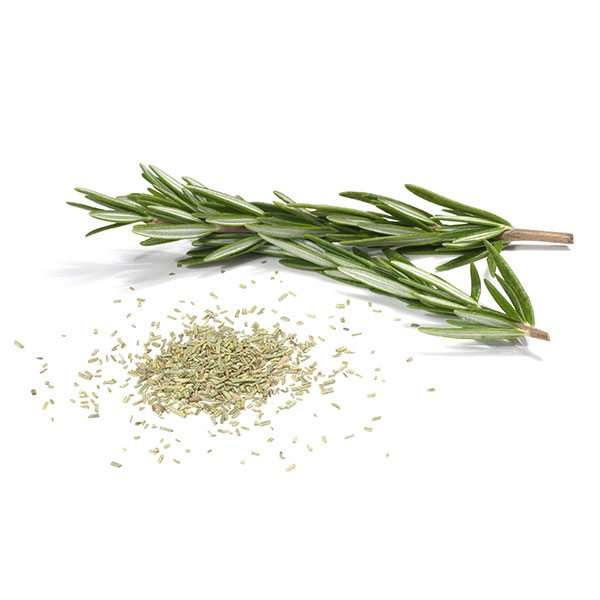
Rosemary
STRONG & AROMATIC
Rosemary is bold and fragrant, with a pine-like quality. A little goes a long way, and it brings a distinct character to any mix.
Flavor profile: woody, aromatic, slightly sharp
Best for: roasted potatoes, meats, breads, hearty dishes
Rosemary adds depth and personality—use it with intention.
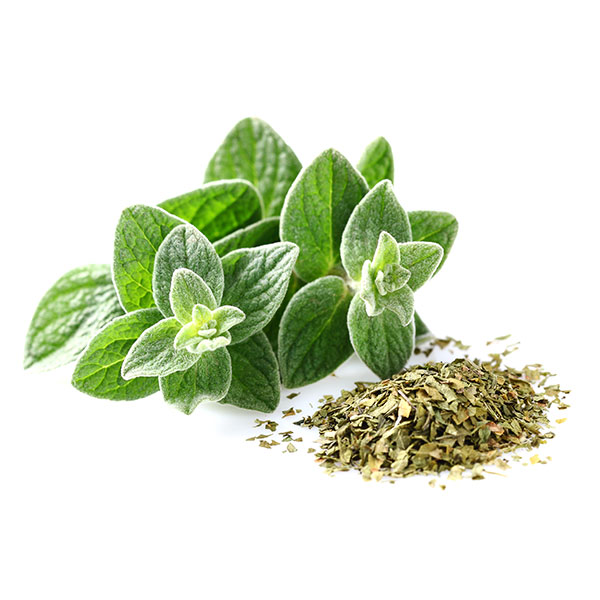
Oregano
BOLD & EARTHY
Oregano brings a strong, slightly peppery flavor with a warm, earthy depth. It holds up well in cooking and doesn’t fade into the background.
Flavor profile: robust, savory, slightly bitter
Best for: tomato-based dishes, sauces, roasted vegetables, Mediterranean-style meals
Oregano is often the backbone of a blend—it gives it presence.
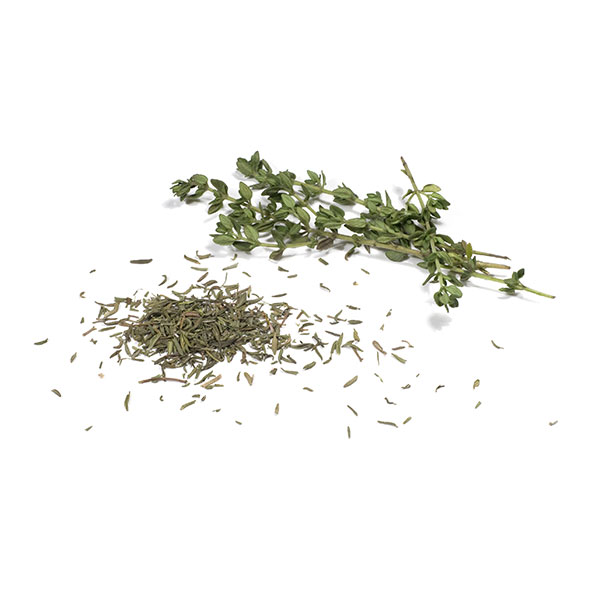
Thyme
SUBTLE & GROUNDING
Thyme is more delicate but very steady. It blends easily with other herbs and adds a gentle, savory note without overpowering.
Flavor profile: mild, earthy, slightly minty
Best for: soups, stews, poultry, vegetables
Thyme ties everything together—it’s the quiet supporter in a blend.
“Oregano gives strength, thyme brings balance, and rosemary adds character.”
A typical, high-quality mix often follows a formula of 3 parts savory, 3 parts oregano, 3 parts rosemary, and 2 parts thyme.
Italian Blend
2 tbsp dried basill
1 tbsp dried oregano
1 tbsp dried thyme
1 tbsp dried Rosemary
1 tbsp dried parsley
Pasta, pizza and roasted vegetables
Essential dried spices for a classic Italian seasoning blend include basil, oregano, rosemary, thyme, and marjoram. For a more robust flavor, savory, sage, and parsley are often added, with red pepper flakes for heat and garlic powder for depth.
How to Use
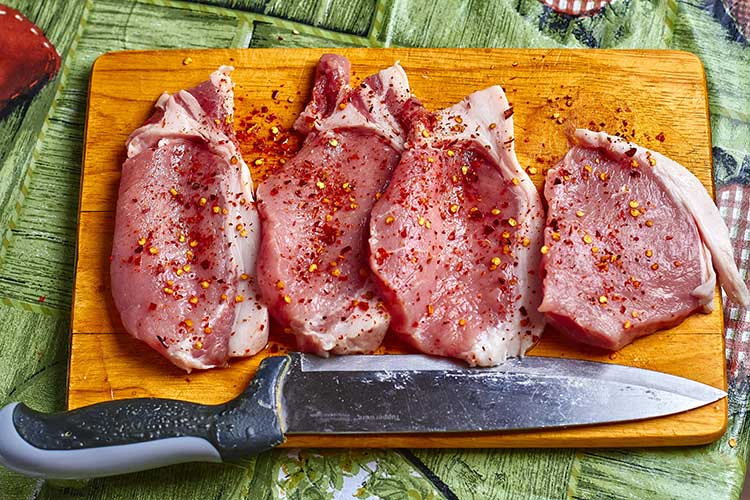
Dry Rub: Excellent on roasted chicken, fish, & pork.
Vegetables: Sprinkle over potatoes, tomatoes, or eggplant with olive oil.
Soups & Stews: Enhances Mediterranean-style dishes.
Herbes de Provence
2 tbsp dried thyme
1 tbsp dried rosemary
1 tbsp dried marjoram
1 tsp dried lavender
1 tsp dried summer savory
Roasted chicken, potatoes and fish
Herbes de Provence is a fragrant mix of dried Mediterranean herbs, typically featuring thyme, rosemary, savory, and oregano as the core components. Common additions include fennel seeds, basil, marjoram, and tarragon, with lavender flowers sometimes added for a floral, aromatic touch typical of southern France.
Core Ingredients
(Common Ratios)
- Thyme: Earthy and lemony. …learn more
- Rosemary: Piney and woody. …learn more
- Savory (Summer): Peppery and meaty. …learn more
- Oregano/Marjoram: Pungent, slightly sweet. …learn more
Optional Additions
- Lavender Flowers: Often used in American versions for a sweet, floral aroma.
- Fennel Seeds: Provides a sweet, licorice-like flavor.
- Tarragon & Basil: Add a delicate, sweet, and anise-like taste.
- Bay Leaf/Chervil: Used in some traditional mixes.
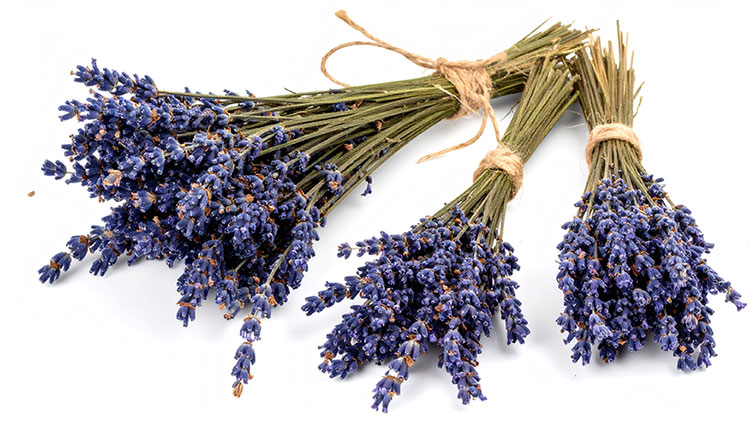
Lavender
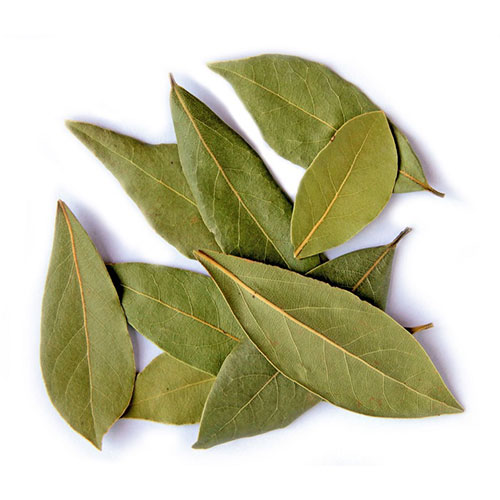
Bay Leaves
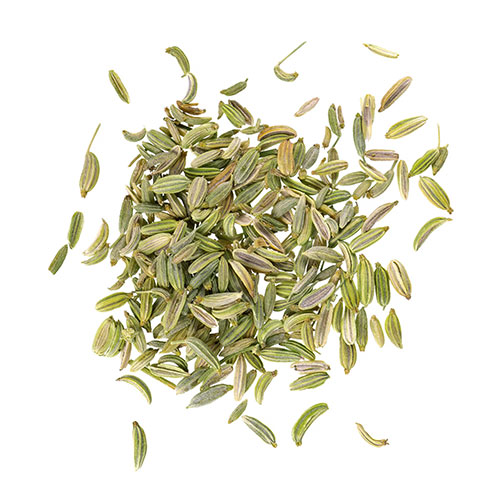
Fennel Seeds
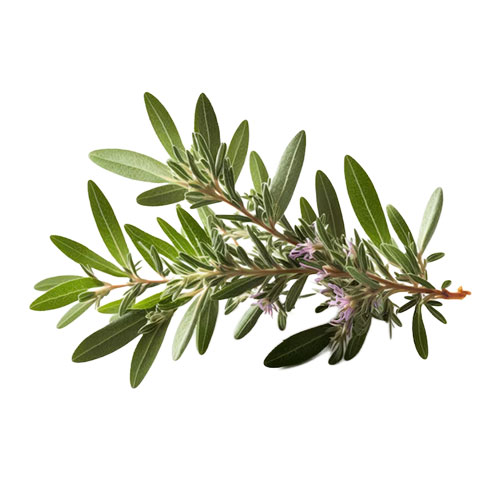
Summer Savory
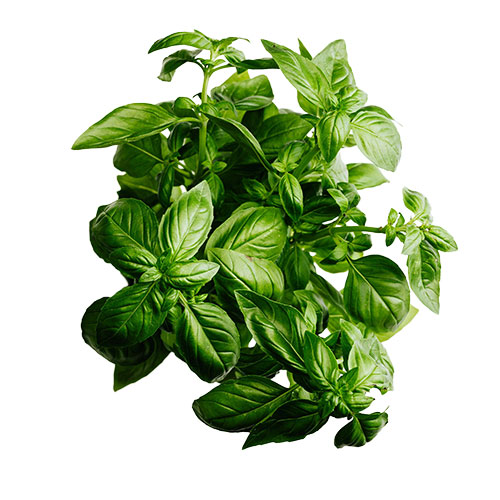
Basil
More Combinations
Everyday Seasoning
2 tbsp paprika
1 tbsp dried parsley
1 tbsp dried thyme
½ tsp garlic powder
½ tsp onion powder
½ tsp black pepper
Thanksgiving Blend
2 parts Parsley
2 parts Sage
1 part Rosemary
1 part Thyme
Mediterranean Seasoning
1 tbsp dried oregano
1 tbsp dried Rosemary
1 tbsp thyme
1 tsp lemon zest
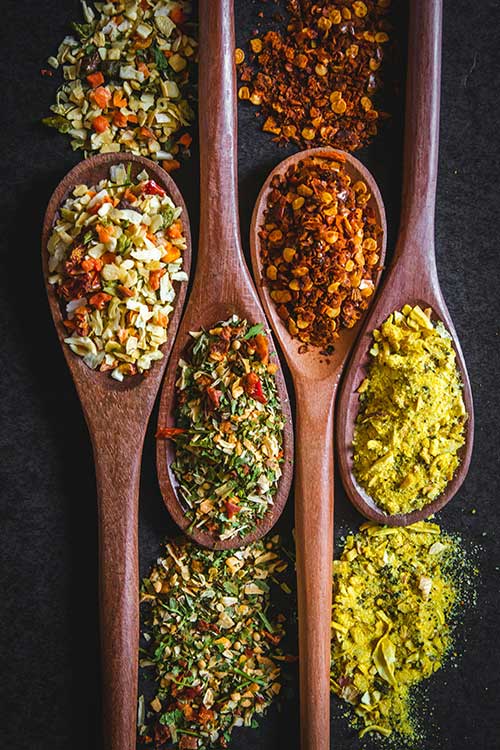
Blend vs. Seasoning: What’s the Difference?
A blend is simply a mix of herbs and/or spices combined for flavor.
No salt (usually)
No added sugar or fillers
Built for flexibility
Example: oregano + thyme + rosemary
→You control how much you use and can adjust for each recipe.
A Seasoning = Ready to Use
A seasoning is a blend that’s been finished for immediate use.
Often includes salt
May include garlic powder, onion powder, or other flavor boosters
Designed to be sprinkled directly onto food
Example: herb blend + salt + garlic powder
→ It’s convenient—just shake and use.
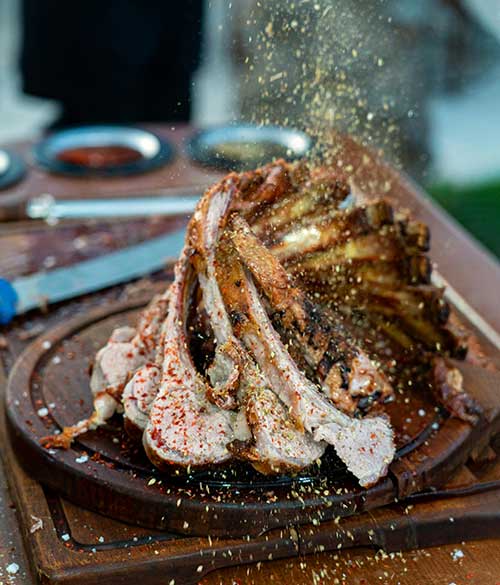
“Grow it in season, dry it at its peak, blend it for how you cook.”
Typical Ratios:
A common, simple DIY mix includes:
2 tbsp Chili powder
1 tbsp Cumin
1 tbsp Smoked paprika
1 tbsp Garlic powder
1 tbsp Onion powder
1 tsp Oregano
1 tsp Salt
Uses:
This blend is used as a dry rub for grilling or roasting meats (beef, pork, chicken), added to soups and stews, or mixed into rice and beans.
Quantity Ratios:
1 Cup of mixed herbs = 16 tbsp
½ c = 8 tbsp ¼ C = 4 tbsp
3 Cups of mixed herbs = 48 tsp
½ C = 24 tsp ¼ C = 12 tsp
Mexican Seasoning
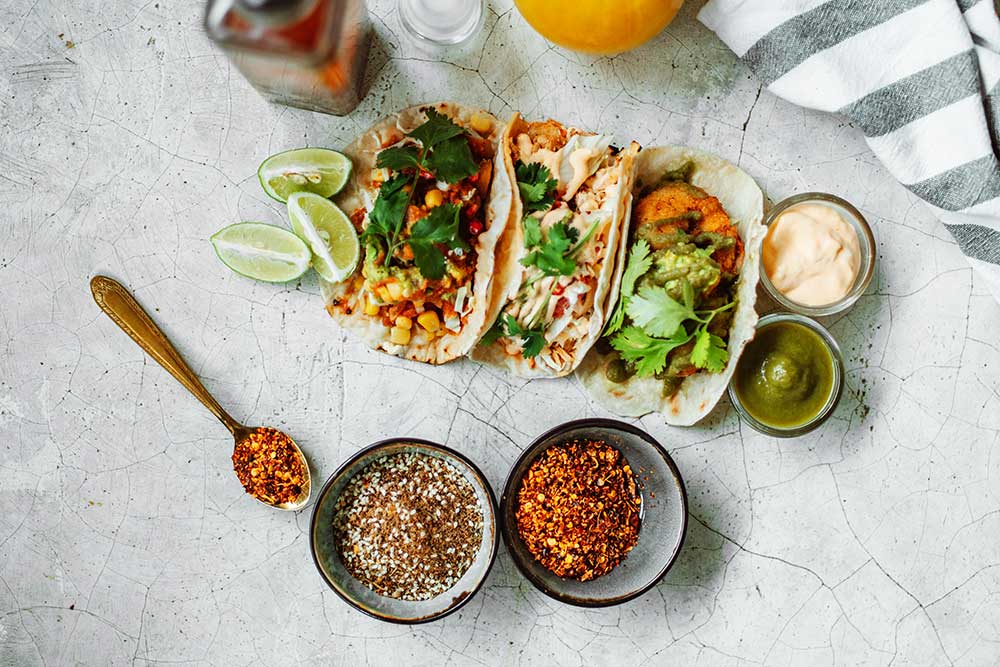
A Mexican spice blend is a versatile mixture of dried herbs and spices used to replicate authentic Mexican flavors, typically featuring earthy, smoky, and warm notes. Common components include chili powder, cumin, garlic powder, onion powder, and Mexican oregano. It is used for tacos, meats, and soups.
Key Components and Ingredients
While blends vary, a typical mixture includes:
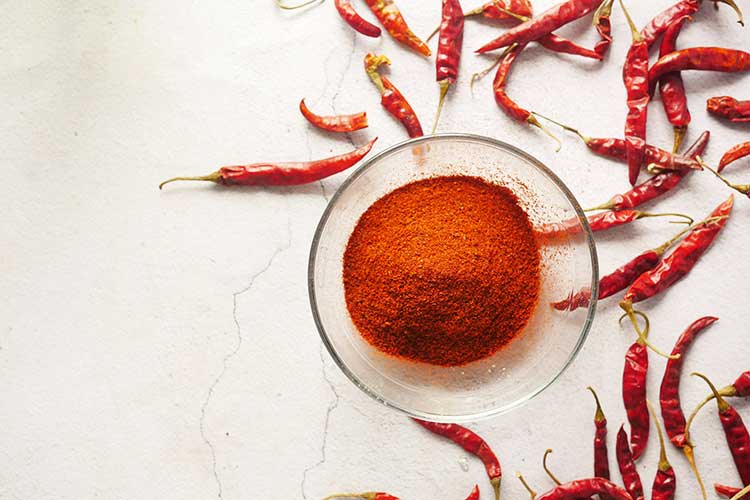
Chili Powder/Chiles: The base, providing heat and color (often ancho, guajillo, or chipotle for smoke).
Cumin: Adds an earthy, savory flavor.
Mexican Oregano: More citrusy and robust than Mediterranean oregano.
Garlic and Onion Powder: For savory depth.
Smoked Paprika: Enhances smoky, rustic flavors.
Seasonal Ideas on Blends
Spring
LIGHT & FRESH
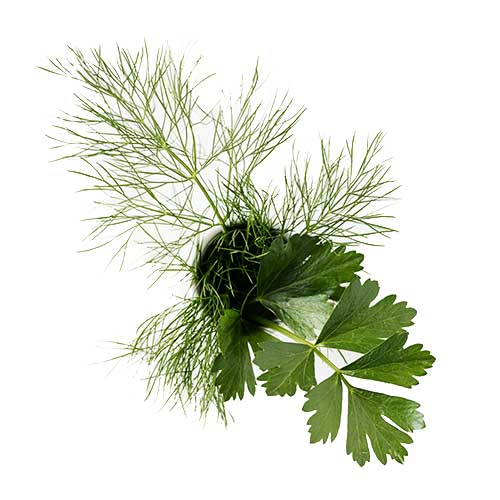
Spring herbs are tender and mild—perfect for simple, bright blends.
Herbs to use:
Chives
Parsley
Dill
Mint
Simple Spring Blend:
2 parts parsley
1 part chives
1 part dill
How to use:
Egg dishes, potatoes, yogurt sauces, fresh vegetables
Think: fresh, green, and just picked
Summer
BOLD & ABUNDANT
Summer is when herbs really take off—this is your main harvesting and drying season.
Herbs to use:
Basil
Oregano
Thyme
Rosemary
Simple Summer Blend:
2 parts basil
1 part oregano
1 part thyme
How to use:
Tomatoes, sauces, grilled vegetables, marinades
Think: full flavor and everyday cooking
Late Summer/ Early Fall
DEEP & SAVORY
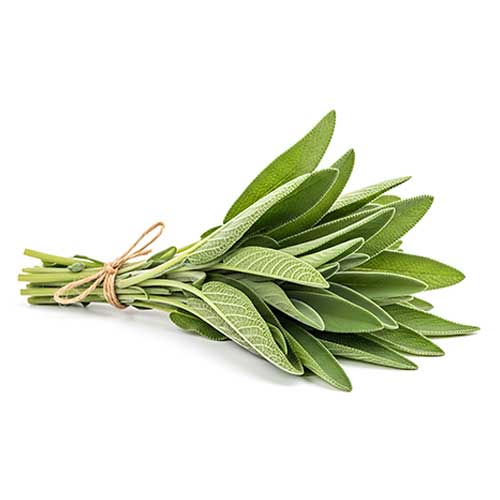
Herbs become stronger and more concentrated—perfect for heartier blends.
Herbs to use:
Sage
Thyme
Rosemary
Marjoram
Simple Savory Blend:
1 part sage
1 part thyme
1 part rosemary
How to use:
Roasted vegetables, meats, soups, stuffing
Think: warm, comforting, grounding flavors
Fall
PANTRY BLENDS FROM WHAT YOU STORED
Now you’re working from your dried herbs—
this is where planning pays off.
All-Purpose Pantry Blend:
2 parts oregano
1 part thyme
1 part basil
1 part parsley
How to use:
Quick meals, soups, sauces—your go-to seasoning
Think: convenience meets homemade flavor
Seasoned Wisdom
Pre-cooking flavor methods
Brining or marinating before cooking work to create juicy meats, flavorful poultry, vibrant vegetables, and delicious tofu with depth, balance and texture.
Brining: the process of submerging/soaking food in a basic solution of water and salt. This is to improve flavor and moisture retention.
Brines can include:
Sugar or honey herbs • Garlic peppercorns • Citrus vinegar or vanilla •Prepared seasoning blends
Marinating: the process of coating food with a seasoned liquid or mixture before cooking in order to add flavor and sometimes tenderize the food.
Marinades common base:
Acid – vinegar, citrus juice, wine, yogurt or buttermilk
Oil – EVOO or vegetable oil – carries flavors and coats the food
Seasonings – herbs, spices, garlic, onions or other blends
Infuse and Layer Savory Flavor
Garlic powder – Adds a pungent, garlicky flavor.
Onion powder – Adds a zesty, concentrated onion flavor.
Paprika – Adds a sweet, peppery flavor. Use smoked paprika to add a smoky flavor to your everyday seasoning.
Salt – Enhances the flavors of the other spices and the food you’re seasoning.
Pepper – Adds an earthy, warm flavor.
Ground mustard – Has an intense aroma and a warm, pungent taste on its own. Ground mustard adds a bit of tang and depth of flavor to the seasoning blend.
Build Depth and Aroma
Herbs: Dried oregano (especially Greek), thyme, basil, rosemary, parsley, and marjoram are staples.
Spices: Garlic powder, onion powder, sumac (for tangy, citrus flavor), cumin (earthy), smoked or sweet paprika, and coriander.
Aromatics/Heat: Red pepper flakes (or Aleppo pepper), dried lemon peel, and cinnamon.
Roasted Veggies: Toss with potatoes, zucchini, or carrots.
© 2026 Connie McCullah All Rights Reserved
Email: canningwithconnie@gmail.com